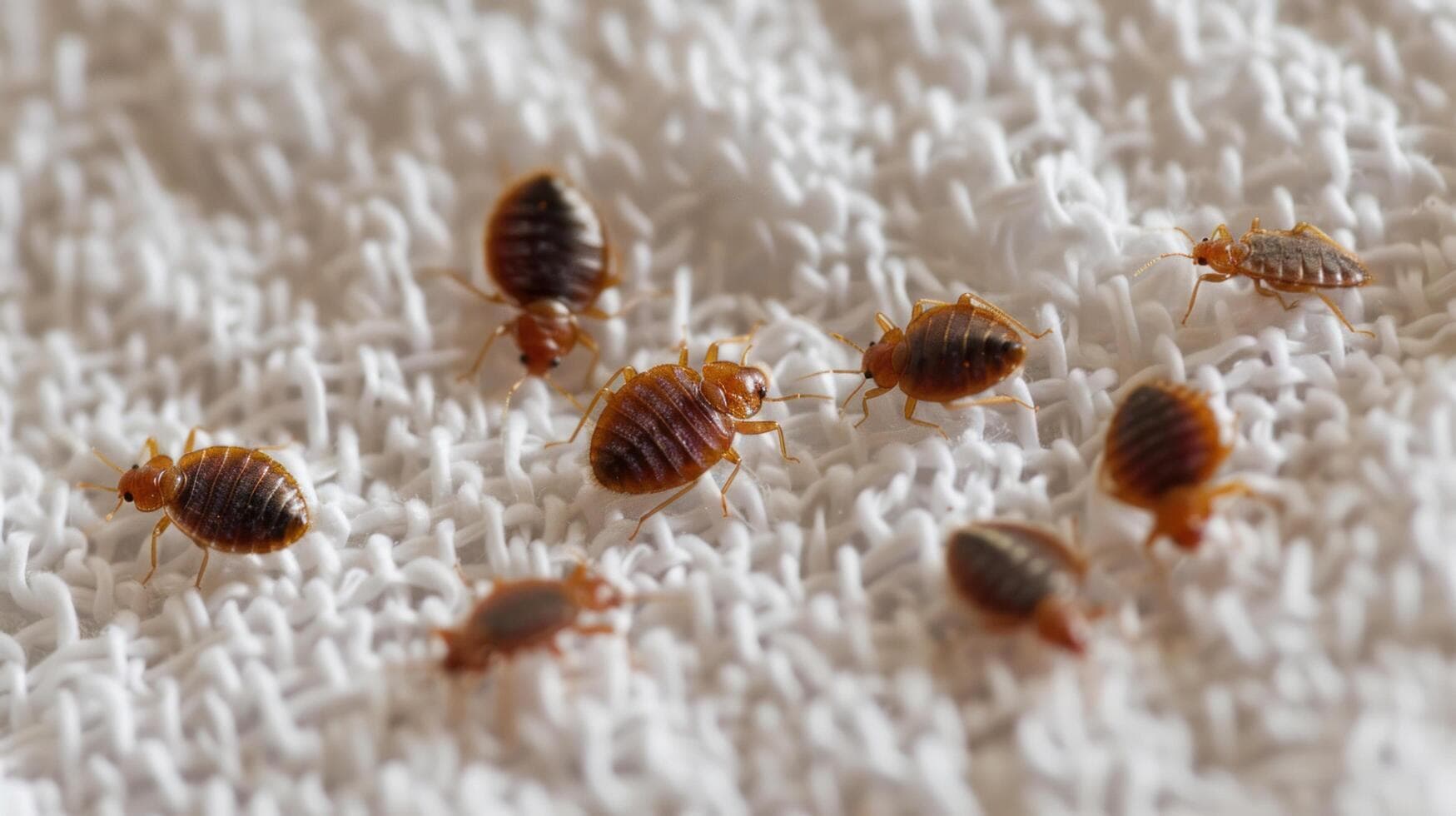
Bed Bugs 101: What They Are, How to Spot Them, and What to Do Next
Bed bugs are small, blood-feeding insects that hide near sleeping areas, travel easily on belongings, and can be very challenging to eliminate once they spread. Although they don’t transmit disease, they can cause itchy bites, sleepless nights, stress, and a real disruption to daily life.
For most homeowners, discovering bed bugs can be overwhelming! But once you know how bed bugs behave, you can choose the right treatment path, and for many situations that leads to a smart, non-chemical solution like heat.
What Bed Bugs Are
Bed bugs are flat, wingless insects, about the size of an apple seed, that feed on blood while people and animals sleep. They are reddish-brown, very good at hiding, and can survive for long periods without feeding, which is one reason infestations are so stubborn.
They commonly hide in mattress seams, bed frames, headboards, furniture cracks, baseboards, luggage, and clutter near sleeping areas. They do not fly or jump or live on your skin the way ticks do, but they are expert hitchhikers and often spread when they are carried on clothing, bags, or furniture.
Signs to Watch For
The most common signs are bite marks, live bugs, shed skins, rusty blood spots on the seams of your mattress or sheets, and a musty odor. Bite reactions can take time to show up and not everyone reacts, which means people often do not connect the bites to bed bugs right away.
Look closely around:
Mattress seams.
Box springs.
Bed frames and headboards.
Upholstered furniture.
Cracks, crevices, and nearby clutter.
Why They Spread So Easily
Bed bugs spread easily by hiding in items people move from place to place. Luggage, folded clothes, used furniture, and bedding are common ways for a bed bug to get introduced into a home or apartment.
They are difficult to control because they hide in very small spaces and can survive for weeks or even months without a blood meal. That gives them lots of time to wait out weak treatment plans.
Treatment Options
There are two broad treatment paths: chemical and non-chemical. Chemical treatment uses approved pesticides, while non-chemical treatment uses physical methods like heat, steam, laundering, vacuuming, and encasements.
Where DIY Heat Fits
Bed bugs (of all stages; adult, nymph and eggs) die when they are exposed to heat (113°F/45°C and up). Our professional, commercial grade Heater Rental Package targets bedbug harbourages with 60°C temperatures and holds it there for a number of hours, allowing the heat to penetrate their hiding places thoroughly.
DIY Heat Treatments work best when the home is properly prepared, the temperature is measured in the right places, and the treatment is carried out carefully enough to reach hidden harborages.
We believe that homeowners need an efficient and safe alternative to the typical chemical treatments and we believe that DIY Heat is the answer for a faster, more direct approach. Our trained technicians guide you through the entire process and every rental includes free delivery, initial setup, customer training and free pickup.
Frequently Asked Questions
Do bed bugs spread disease?
Bed bugs are not known to transmit disease, but they can still cause itching, loss of sleep, stress, and in some cases allergic reactions or secondary skin infections from scratching.
Can I get rid of bed bugs myself?
Sometimes yes, especially if the infestation is caught early and you are willing to be thorough. EPA guidance supports DIY steps like laundering, drying on high heat, vacuuming, encasements, monitoring devices, and targeted heat for infested items.
We consider it a privilege to provide you with the tools to eliminate bed bugs on your own, all without the need to spend thousands on exterminators.
Will washing clothes kill them?
Washing alone usually does not kill bed bugs, but high-heat drying does. EPA guidance specifically recommends putting bedding and clothing in the dryer on high heat for 30 minutes.
Are chemical sprays always necessary?
No. Many infestations can be handled with non-chemical methods, or with a combination of chemical and non-chemical approaches depending on the situation.
What is the fastest non-chemical option?
Heat is often the fastest non-chemical option when the space can be prepared correctly and heated evenly. Studies show that lethal outcomes depend on both temperature and time, especially in hidden or covered areas.
Why do heat treatments fail sometimes?
They fail when the temperature does not reach the bugs in cracks, seams, furniture interiors, and cluttered hiding spots. Bed bugs in protected areas can survive longer than bugs exposed directly to heat, which is why circulation and monitoring matter so much.
Why DIY Heat Deserves a Closer Look
For many homeowners, DIY heat is the sweet spot between doing nothing and committing to a heavy chemical program. It offers a residue-free, targeted, and highly effective way to attack bed bugs when the infestation is manageable and the prep is done right.
It is not a shortcut, though. The best results come from proper inspection, clutter reduction, laundering, vacuuming, and controlled heating that reaches the bugs where they actually live.
Final Thoughts
Bed bugs are frustrating, but they are treatable. Once you understand how they hide, how they spread, and which tools actually work, the problem becomes much more manageable.
If you want a practical, fast, and non-chemical path forward, DIY heat treatment is often one of the most effective options to consider. It is especially appealing when you want to avoid residue, target the infestation directly, and take back your home with a method backed by both science and real-world pest management guidance.